
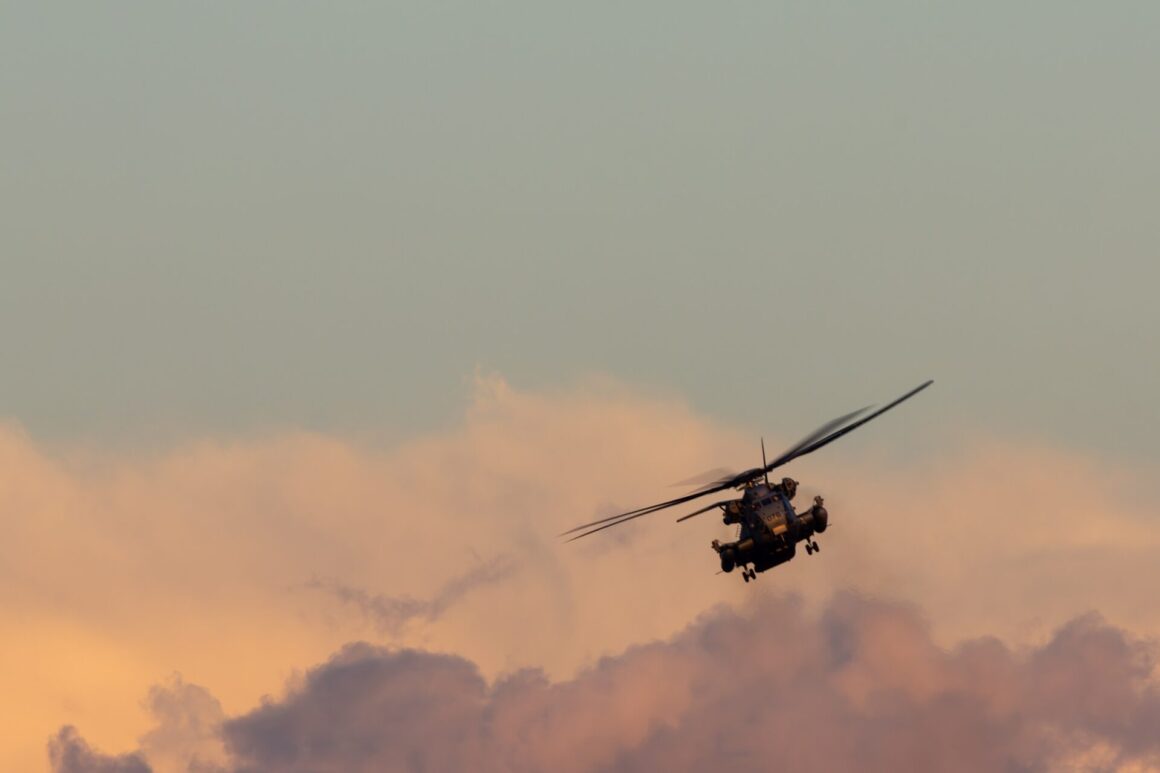
Kathmandu, April 27 — The Government of Nepal has formally sought heavy-lift aircraft from the United States in place of helicopters previously offered under a $100 million security assistance package, marking a strategic shift in the country’s aviation and disaster-response planning.
The grant, provided through the Foreign Military Financing (FMF) program, had initially proposed supplying six utility helicopters to the Nepali Army. However, following inter-ministerial consultations involving the Prime Minister’s Office, the Ministry of Defence, and the Ministry of Foreign Affairs, Nepal has decided to pursue aircraft with significantly higher payload capacity.
Shift toward heavy-lift capability
Officials say Nepal is prioritizing heavy-lift or “aerial crane” aircraft capable of transporting large cargo loads to remote and mountainous regions where road access remains limited or non-existent. These aircraft can carry construction materials, machinery, and relief supplies using external sling systems—making them particularly valuable for infrastructure development and emergency operations.
Given Nepal’s challenging geography, such platforms are expected to play a crucial role in supporting projects in isolated districts, where conventional transport methods are often unreliable or impossible.
Cost and efficiency considerations
Beyond capability, cost-effectiveness has also influenced the decision. Authorities have expressed concern over the long-term operational expenses associated with maintaining a fleet of standard helicopters, including fuel consumption, maintenance, and specialized training.
Heavy-lift aircraft, while fewer in number, are seen as offering greater operational efficiency by combining transport, logistics, and disaster-response roles in a single platform.
Strengthening disaster response
Nepal’s vulnerability to natural disasters—including earthquakes, floods, and landslides—has underscored the need for advanced aerial logistics. Heavy-lift aircraft would significantly enhance the country’s ability to deliver emergency aid, evacuate affected populations, and deploy rescue teams quickly in hard-to-reach areas.
Evolving US–Nepal defense cooperation
The US assistance package was originally announced to bolster Nepal’s aviation capabilities and support humanitarian and peacekeeping missions. Washington has previously contributed aircraft and training support to Nepal, strengthening bilateral defense cooperation.
Officials indicate that Nepal will soon formally communicate its revised request to US authorities, aiming to align the assistance package with the country’s long-term strategic and operational needs.




Facebook Comments