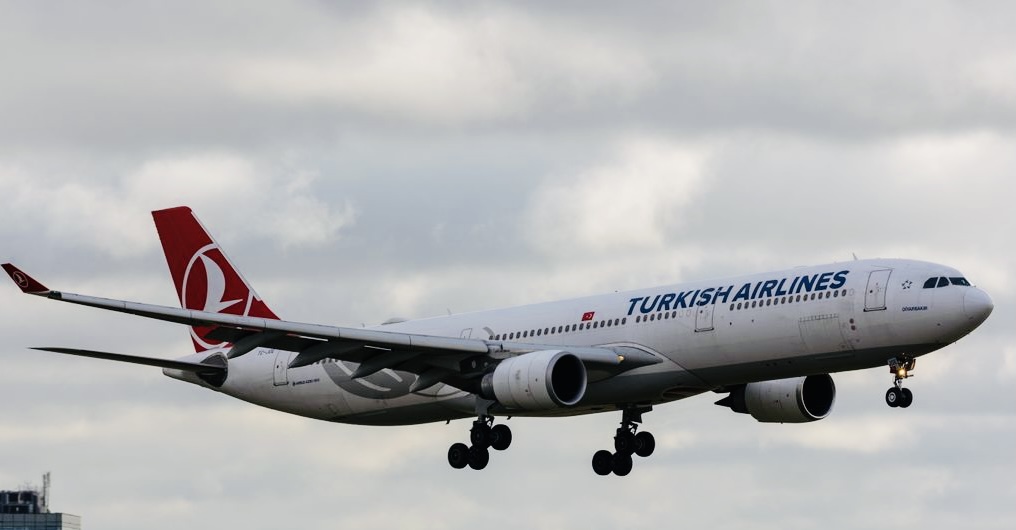
Turkish Airlines has announced an ambitious strategy to expand its presence across the Asia-Pacific region, targeting a 15% to 20% boost in flight frequencies over the coming years. Speaking in an interview with Nikkei Asia, Turkish Airlines Chairman Murat Şeker highlighted plans to turn Istanbul into a premier secondary hub linking Europe, Asia, and Australia, leveraging the airline’s expansive fleet and strategic geographical position.
Central to this long-haul push is a deep expansion into China, where the flag carrier has already ramped up operations to 42 weekly services, up from 21. Capitalizing on updated bilateral traffic rights that allow up to 49 weekly flights, Turkish Airlines has added frequencies to primary hubs like Beijing, Shanghai, and Guangzhou, with plans to launch routes to Chengdu and explore destinations such as Urumqi. Outside China, the carrier is increasing flights across major Asian destinations, including Tokyo, Singapore, and Kuala Lumpur, while acquiring new traffic rights in Southeast Asia to support further growth.
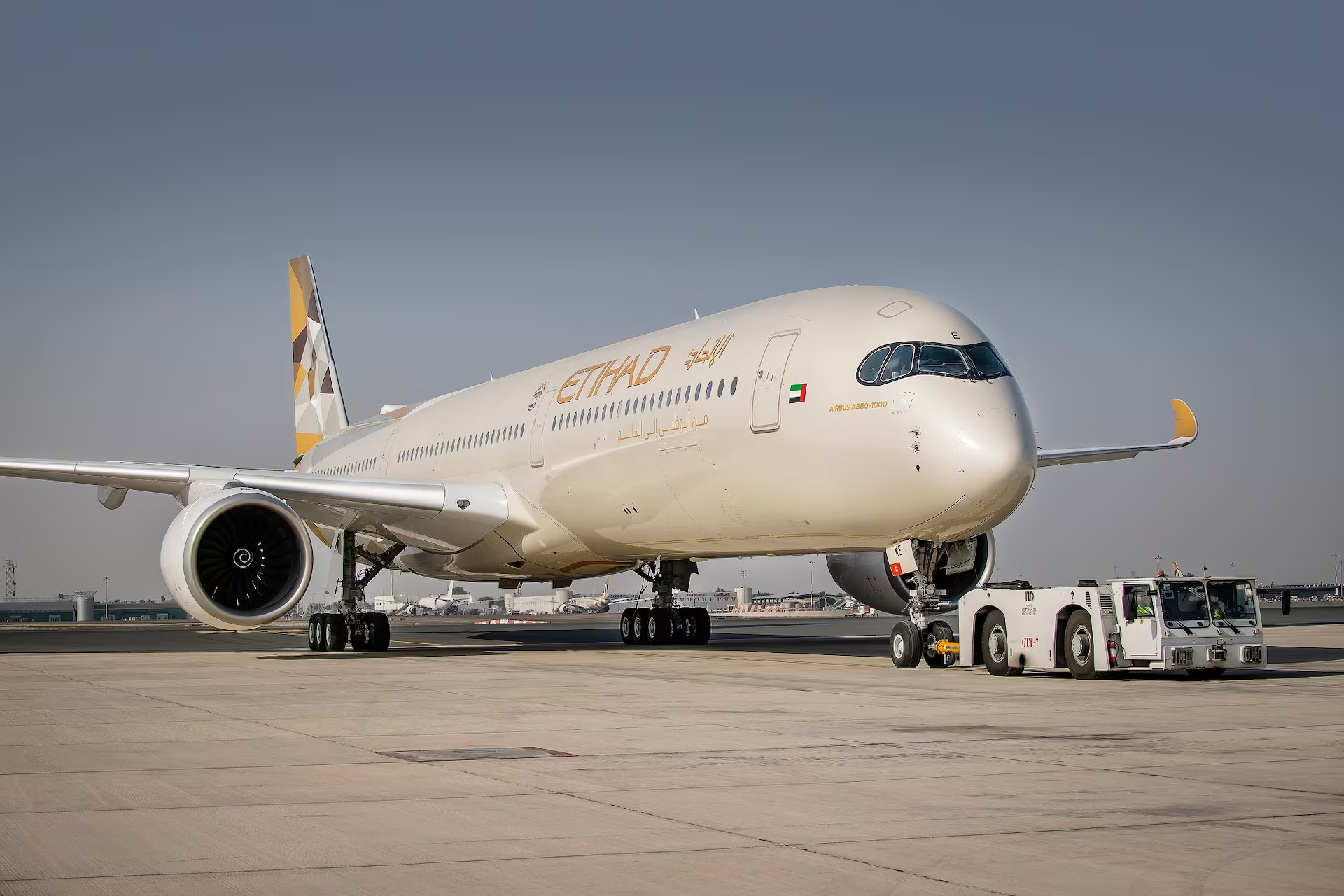
Oceania serves as another core pillar of the expansion. Turkish Airlines is preparing to launch direct, ultra-long-haul flights to Sydney and Melbourne by 2028 using specialized, long-range Airbus A350-1000 aircraft. To maximize profitability on these extended routes, the airline plans to introduce a long-haul Premium Economy class designed to capture higher-yield demand from international travelers.
This operational shift follows a strategic reallocation of wide-body aircraft to high-demand Asian routes, a move that drove a 20.5% year-over-year increase in second-quarter revenue to $7.2 billion. The Asia-Pacific region now generates 32% of the airline's overall revenue, surpassing Europe. Underpinning this growth is a massive fleet expansion plan; with nearly 420 new aircraft on order, Turkish Airlines aims to double its operating fleet to nearly 800 aircraft over the next decade.


Facebook Comments