
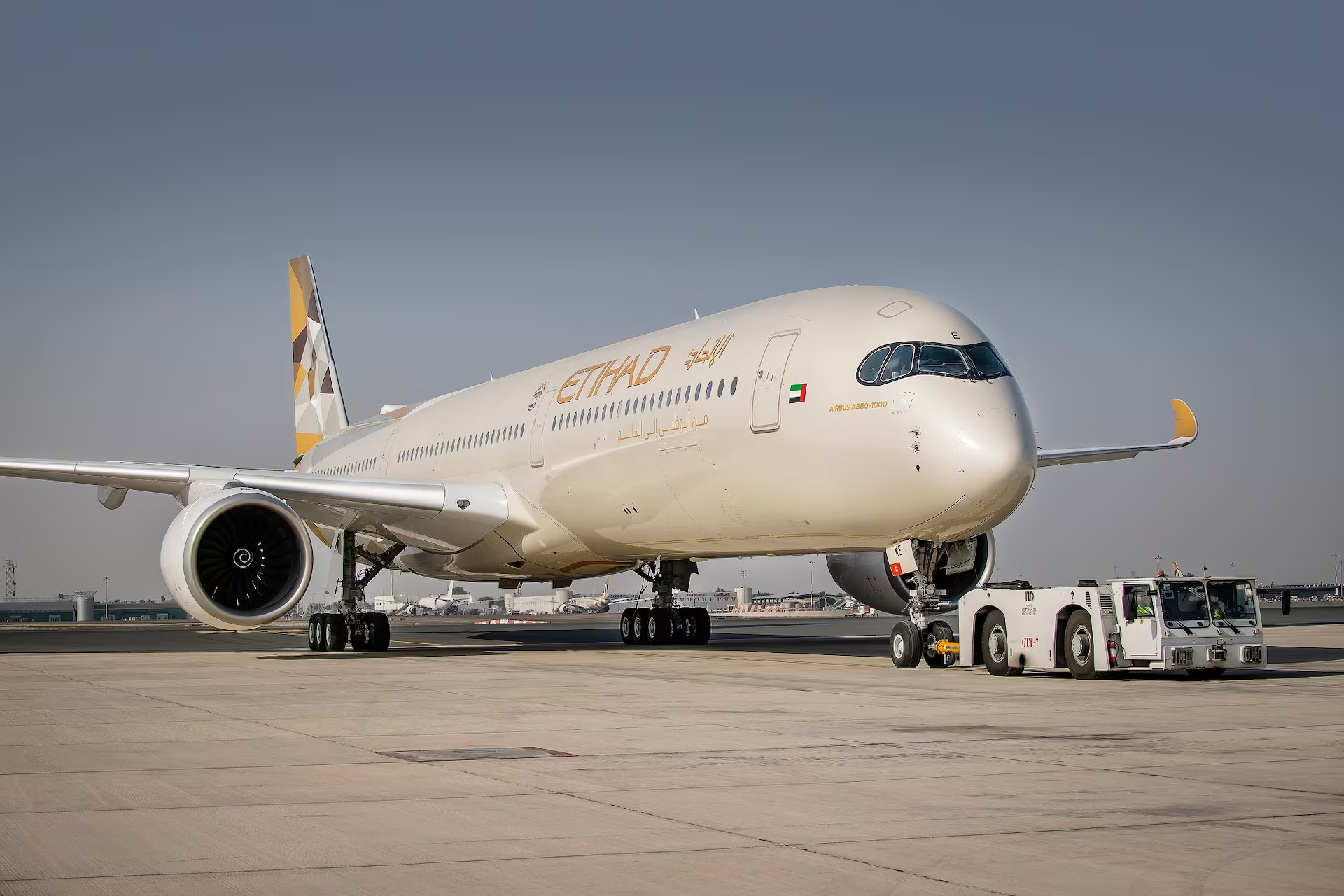
- Expansion strengthens Etihad's presence across high-growth African markets, connecting the continent to Abu Dhabi and the world beyond
- Reinforces Abu Dhabi's role as a gateway for trade, cargo and investment flows between Africa and Asia
- Builds on Etihad's growing China network alongside its extensive India network, opening a new corridor linking Africa and Asia through Abu Dhabi
Etihad Airways has officially announced a transformative expansion of its African network, signaling a bold new chapter for the UAE’s national carrier and its global hub at Zayed International Airport (AUH). By unveiling six new destinations—Asmara, Accra, Lagos, Kinshasa, Lubumbashi, and Harare—the airline is not merely adding dots to a map but is strategically constructing a robust corridor for trade, investment, and tourism between Africa, the Middle East, and the burgeoning markets of Asia. This expansion, scheduled to roll out between November 2026 and March 2027, reflects Etihad's commitment to meeting the high demand for air connectivity in regions where current supply remains underserved.
According to the official news release, the expansion is meticulously timed to coincide with Etihad’s growing footprint in China and India. For instance, the daily service to Lagos and the frequent flights to Accra provide vital links for West African entrepreneurs looking toward Asian manufacturing hubs. Meanwhile, the inclusion of Kinshasa and Lubumbashi in the Democratic Republic of the Congo, along with Harare in Zimbabwe, facilitates movement within the continent’s mineral-rich southern and central regions. This is particularly beneficial for the Etihad Cargo division, which anticipates a surge in the transport of pharmaceuticals, machinery, and electronics via the belly-hold capacity of these new passenger flights.
CEO Antonoaldo Neves highlighted that this "Time for Africa" campaign is a response to structural opportunities, positioning Abu Dhabi as a premier transit point that simplifies the travel experience. Beyond commerce, the routes celebrate cultural exchange; for example, the new service to Asmara opens up Eritrea’s modernist UNESCO World Heritage architecture to a global audience. By integrating these diverse markets, Etihad is fostering deeper economic ties between the UAE and African nations, ensuring that Abu Dhabi remains a central pillar in the future of global aviation. This 63% increase in African flight frequencies underscores a long-term vision of sustainable growth and enhanced global accessibility





Facebook Comments