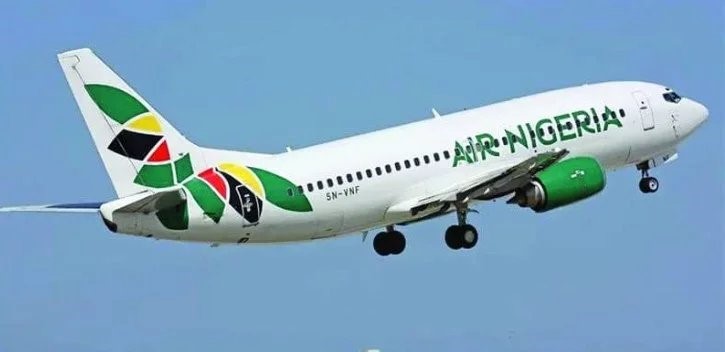
The Nigerian aviation sector is currently facing an existential threat following the collapse of emergency negotiations between the Federal Government, airline operators, and fuel marketers on April 22, 2026. The crisis was ignited by a staggering 300% surge in the price of Jet A1 fuel, which leaped from ₦900 per liter in February to an eye-watering ₦3,300 per liter in April. While the Airline Operators of Nigeria (AON) initially threatened a total nationwide shutdown of flight operations, they temporarily suspended the strike to engage in high-level talks hosted by the Minister of Aviation and Aerospace Development, Festus Keyamo. Despite these efforts, the meeting ended in a stalemate as fuel marketers pointed to global supply chain disruptions in the Strait of Hormuz and extreme currency volatility as the primary drivers of the cost hike.
In a bid to prevent a complete collapse of the industry, President Bola Tinubu recently intervened by approving a 30% discount on outstanding debts and statutory fees owed by domestic airlines to agencies like FAAN and NAMA. However, industry leaders, including AON Vice President Allen Onyema, have warned that these relief measures are merely "emergency first aid" and do not address the fundamental issue of unsustainable fuel costs. With fuel now accounting for over 40% of operational expenses, airlines have warned that significant airfare hikes or a total suspension of services may be inevitable within days if a sustainable pricing framework is not established. As the government forms technical "focal teams" to continue negotiations over the next 72 hours, the Nigerian traveling public remains in a state of uncertainty, facing the very real possibility of a grounded domestic fleet.


Facebook Comments