
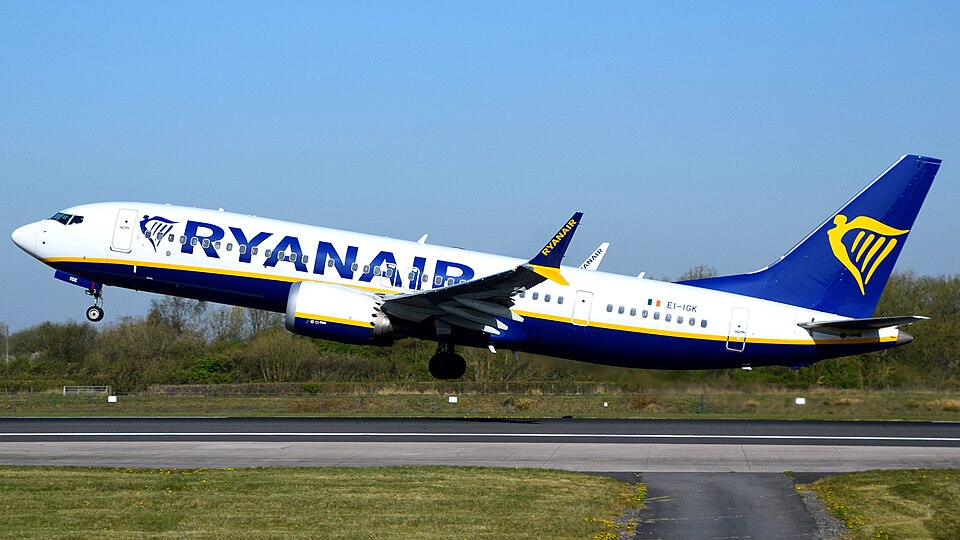
In a major blow to German aviation, Ryanair has officially announced its intention to close its seven-aircraft base at Berlin Brandenburg Airport (BER) effective October 24, 2026. The decision will see the budget carrier slash its flight offerings from the German capital by 50% in the upcoming 2026/27 winter schedule.
The move follows a series of public disputes between the airline and German authorities regarding high operating costs.
Key Details of the Closure
-
Staff Impact: Approximately 200 pilots and cabin crew based in Berlin have been formally notified of the closure. Ryanair has stated it will enter staff consultations shortly and intends to offer affected crew members alternative positions at other bases across its European network.
-
Flight Reductions: Passenger traffic from Berlin is expected to collapse from 4.5 million to 2.2 million annually.
-
Aircraft Reallocation: The seven aircraft currently stationed in Berlin will be moved to lower-cost markets, specifically Sweden, Slovakia, Albania, and Italy, where aviation taxes have been abolished or reduced.
"German Aviation is Broken"
Ryanair CEO Eddie Wilson did not mince words, labeling the German aviation sector "broken" and "uncompetitive." The airline cited several financial "tipping points" for the withdrawal:
-
Rising Airport Fees: Berlin Brandenburg recently notified the airline of a planned 10% fee increase between 2027 and 2029. This follows a reported 50% increase in fees since the pandemic.
-
National Aviation Tax: Germany's aviation tax has more than doubled since 2019, currently sitting at €15.50 per passenger.
-
Skyrocketing Service Costs: German security fees are set to double to €20 by 2028, and Air Traffic Control (ATC) fees have tripled in recent years.
Context and Consequences
The closure marks a significant retreat for Ryanair in Germany, following previous base closures in Frankfurt, Düsseldorf, and Stuttgart.
While Ryanair will still fly to Berlin, it will do so using aircraft based in other countries. For travelers, this likely means fewer route options, less frequent flights, and potentially higher fares due to reduced competition. Berlin Brandenburg Airport, which handled 36 million passengers in 2019 but only around 26 million in 2025, now faces a further decline in its recovery efforts.
"We have no alternative... Berlin Airport has decided to further increase its already high prices by another 10%, making Berlin hopelessly uncompetitive versus competitor European airports." — Eddie Wilson, Ryanair DAC CEO





Facebook Comments