
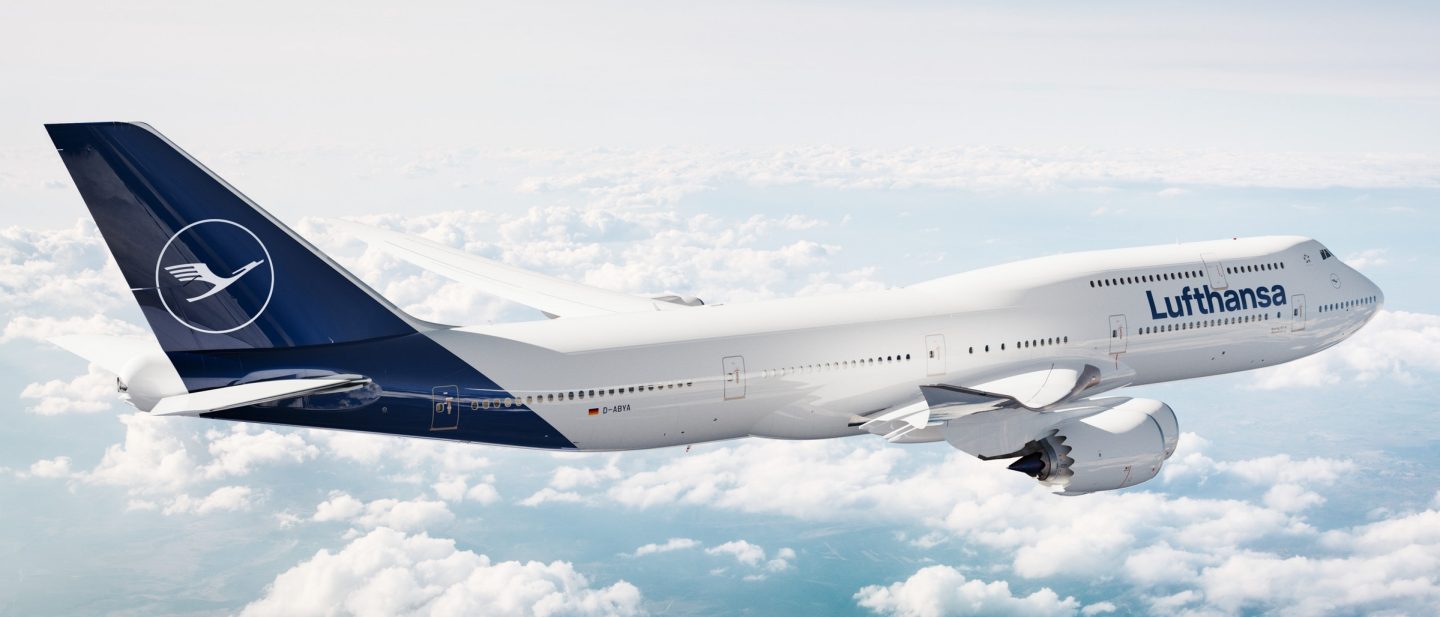
The sudden and aggressive restructuring of Lufthansa’s regional network has sent shockwaves through the aviation industry in the former Yugoslavia, creating a period of unprecedented uncertainty for travelers. The catalyst for this disruption is the immediate closure of Lufthansa CityLine, a subsidiary that served as the backbone for regional connectivity between Munich and cities like Ljubljana, Belgrade, and Zagreb. By grounding its entire fleet of CRJ900 aircraft months earlier than anticipated, Lufthansa has effectively severed direct links to several key markets for the month of May, leaving a void that cannot be easily filled by its remaining "mainline" fleet. This move is particularly damaging because it occurred at the start of the summer peak, a time when passenger demand is at its highest and alternative seats are both scarce and expensive.
For travelers, the situation is increasingly frustrating as schedules remain in a state of flux. While major hubs like Belgrade are seeing a skeletal service maintained by larger Airbus aircraft on select days, smaller destinations like Ljubljana and Tivat have been completely cut off from the Munich hub for several weeks. Lufthansa is currently in a desperate "scramble mode," attempting to source capacity through wet-lease agreements with carriers like airBaltic and Helvetic Airways to prevent a total market collapse. However, these are stop-gap measures that have yet to restore the frequency and reliability that business and leisure travelers rely on. Compounding the issue is the aggressive expansion of Air Serbia, which has capitalized on Lufthansa's retreat by launching its own Munich service, signaling a potential long-term shift in regional dominance away from the German flag carrier. Until the new "continental summer schedule" is finalized in June, passengers face a landscape of cancellations, rerouting, and significantly higher fares.




Facebook Comments