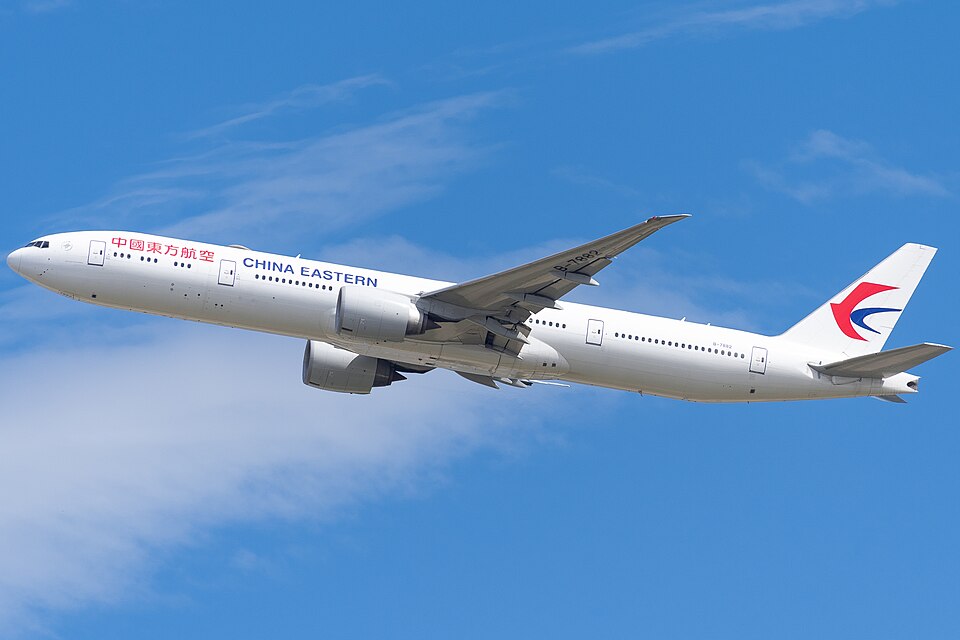
The aviation world has been shaken by a series of high-level leaks from the U.S. National Transportation Safety Board (NTSB) regarding the 2022 crash of China Eastern Airlines Flight MU5735. The disaster, which occurred on March 21, 2022, saw a Boeing 737-800 plummet from a cruising altitude of 29,000 feet into a near-vertical dive, claiming the lives of all 132 people on board. While the Civil Aviation Administration of China (CAAC) has remained largely silent over the last four years, providing only vague annual updates, these leaked documents offer a harrowing look at the flight’s final moments, pointing directly toward a deliberate act of pilot intervention rather than a mechanical malfunction.
The most damning evidence contained in the leaked reports involves the specific manipulation of cockpit controls that could not occur by accident. According to data retrieved from the Flight Data Recorder (FDR), both engine fuel switches were moved from the "RUN" to the "CUTOFF" position within a single second of each other while the aircraft was in level flight. On this specific Boeing model, these switches are protected by a mechanical "lift-to-lock" mechanism, requiring a conscious, physical effort to engage. This suggests that someone in the cockpit intentionally starved the engines of fuel, effectively turning the aircraft into a high-speed glider before pushing the control column forward to initiate the fatal dive.
Furthermore, the investigation indicates that there was no attempt by the flight crew to recover the aircraft or restart the engines once the descent began. The plane reached speeds nearing the sound barrier during its plunge, yet the data shows no evidence of mechanical failure in the flight control surfaces or the stabilizer trim. This lack of transparency from Chinese authorities has led to increasing tension between international safety regulators and the CAAC. By withholding these findings, critics argue that the CAAC is prioritizing national image over global aviation safety. As the leak spreads through the industry, it is expected to renew urgent calls for enhanced mental health monitoring for pilots and more transparent protocols for international crash investigations involving sovereign states.




Facebook Comments