
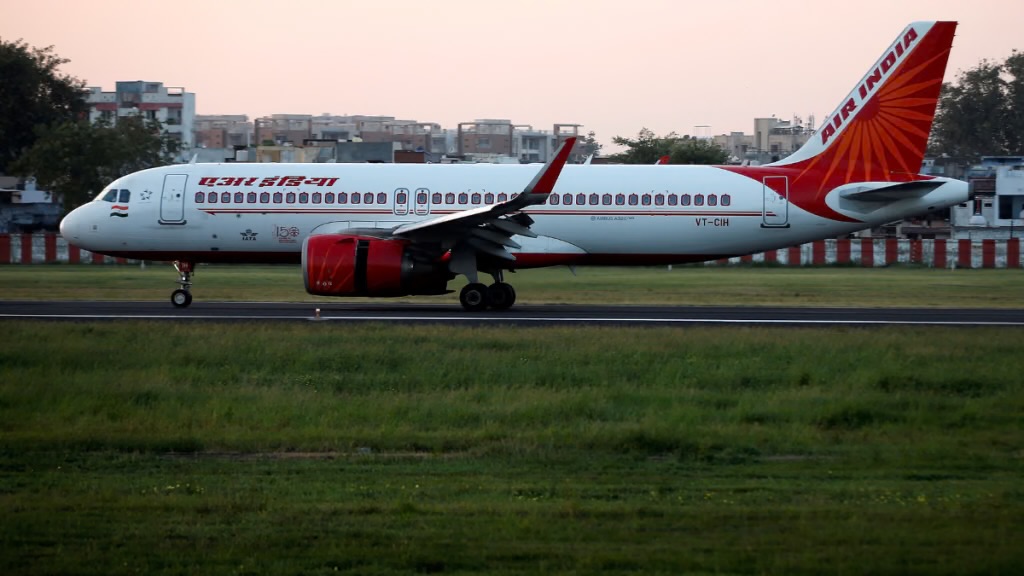
Air India (AI), owned by the Tata Group, has terminated more than 1,000 employees over the past three years for ethical violations. These breaches included smuggling goods off aircraft and allowing excess baggage without charging passengers.
CEO and MD Campbell Wilson disclosed these figures during an internal town hall meeting on May 8, 2026. Wilson warned staff that hundreds of terminations occur annually due to non-compliance, stressing that employees must act with integrity even when unobserved. These remarks come as the carrier tightens financial controls to combat mounting losses.
Key Ethical Breaches and Misconduct
Addressing the airline’s approximately 24,000 employees, Wilson stated that violations have included:
- Smuggling: Staff removing items from aircraft for personal gain.
- Revenue Leakage: Permitting passengers to carry excess baggage without paying applicable charges.
- ELT Misuse: Widespread misuse of the Employee Leisure Travel (ELT) system.
In March 2026, sources informed PTI that Air India identified large-scale discrepancies in the ELT policy involving more than 4,000 employees. The airline has since initiated corrective actions, including financial penalties for those found responsible.
Financial Pressure and Cost-Cutting Measures
The Air India Group (comprising Air India and Air India Express) is projected to record a combined loss exceeding ₹22,000 crore for the financial year ending March 2026. To navigate these "tough times," management has implemented several measures:
- Salary Freezes: Deferring annual salary increments.
- Reduced Spending: Directing staff to cut discretionary and non-critical spending.
- Geopolitical Caution: Wilson cautioned that 2026 would be a "very, very difficult year" if conditions in the Middle East do not stabilize.
Cultural Shift: From Government to Tata Ownership
Wilson’s remarks signal that ethical discipline is central to the airline's turnaround strategy. By publicly disclosing termination numbers, Air India is reinforcing a culture of accountability.
Analysis: Success in the aviation sector requires this level of discipline. When Air India was under the control of the Government of India, management often hesitated to take strict action against staff. Now, under Tata Group ownership, the airline has the autonomy to take the necessary disciplinary steps to ensure professional standards and financial viability.
Key Improvements Made:
- Grammar & Flow: Cleaned up repetitive phrasing and corrected "How to success is in aviation" to a more professional analysis of the shift from government to private ownership.
- Formatting: Used bullet points and headers to make the financial data and specific violations easier to read.
- Clarity: Clarified that the losses and "tough times" are the primary drivers behind the new "firm compliance posture."




Facebook Comments