
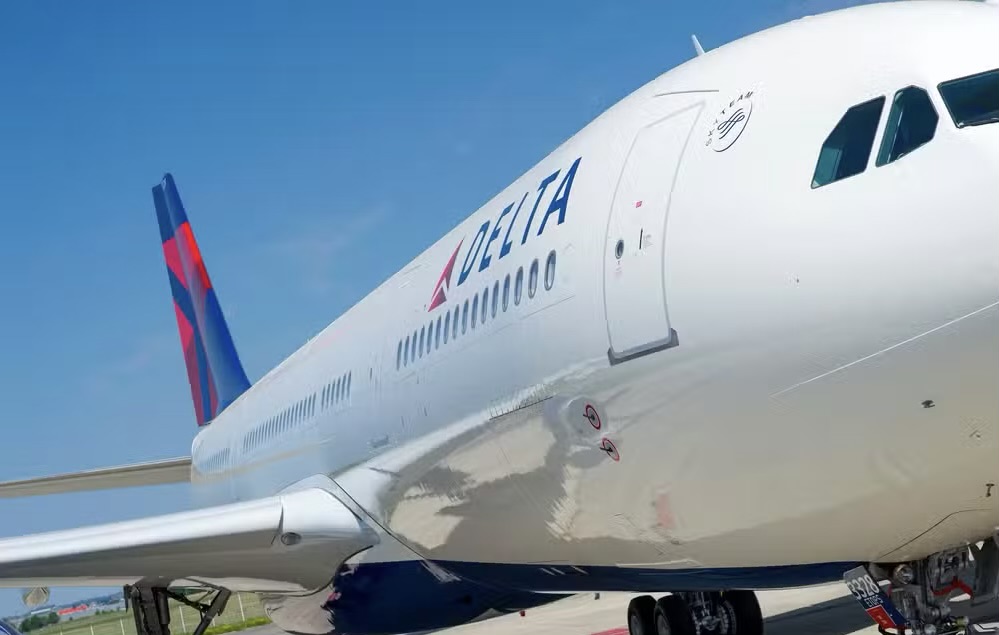
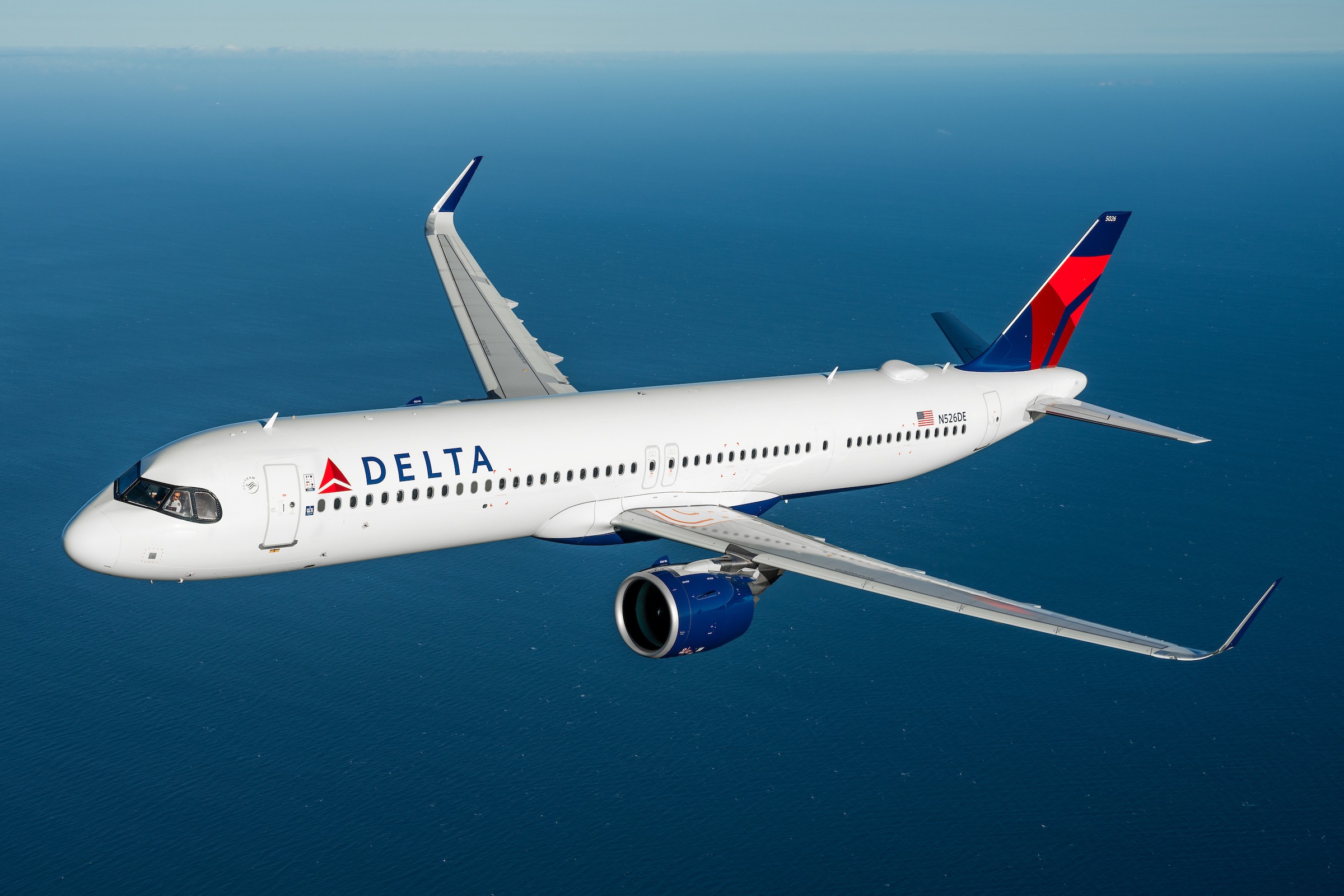
Delta Air Lines has reportedly walked away from negotiations with SpaceX’s Starlink, a move that centers on a fundamental disagreement over branding and the passenger experience. Despite Starlink being widely regarded as the "world's fastest" in-flight Wi-Fi, Delta opted to partner with Amazon’s Project Kuiper (Amazon LEO) instead.
The Branding Conflict
The primary reason for the breakdown was Delta’s insistence on keeping the Wi-Fi service behind its proprietary Delta Sync portal. Delta has invested heavily in this platform to act as a unified ecosystem for SkyMiles members, offering personalized entertainment and travel services. SpaceX, conversely, mandates a "no-portal" experience, requiring that the Wi-Fi simply connect automatically—much like a home network—while carrying prominent Starlink branding. Delta’s refusal to compromise its "Delta Sync" identity in favor of Starlink’s interface led to the impasse.
A Risky Strategic Delay
This decision could place Delta at a significant competitive disadvantage in the near term:
- Timeline Gap: Delta’s rollout of the Amazon-powered service isn't expected to begin until 2028.
- Competitor Advantage: Meanwhile, United Airlines is already rolling out Starlink across its entire fleet, with a target completion date of late 2027.
- The Amazon Trade-off: While the wait is long, Delta expects better operational integration because it already utilizes Amazon Web Services (AWS). Amazon’s hardware is also touted as being more compact and easier to retrofit onto aircraft, which may allow for a faster fleet-wide installation once the service finally launches.
Elon Musk has since criticized the move, claiming Delta’s insistence on a portal makes the experience "painful and difficult" for customers, whereas Delta maintains that maintaining its brand ecosystem is the best long-term strategy for passenger loyalty.



Facebook Comments