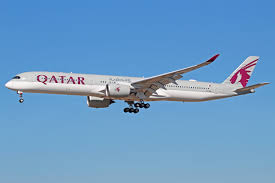
DOHA, Qatar — Qatar Airways is facing an unprecedented wave of internal labor unrest as cabin crew members stage a coordinated mass "sickout" protest. The collective action, which represents a historic challenge for the state-owned carrier, has spilled over into operational delays at its primary hub, Doha Hamad International Airport (DOH).
The protests mark a high-stakes standoff between tens of thousands of international flight attendants and the airline’s newly appointed executive leadership.
The Core Grievances
The current wave of frustration boiled over in late May 2026, following an internal corporate memo announcing the suspension of profit-sharing bonuses for nearly 60,000 employees.
-
The Profit Disconnect: Employees expressed intense frustration because the parent company, Qatar Airways Group, recently reported a net profit of 7.08 billion Qatari riyals (approximately $1.9 billion).
-
The Corporate Justification: Management justified the bonus freeze by pointing to severe operational disruptions stemming from geopolitical conflicts across West Asia and the Persian Gulf. Following widespread airspace closures and the mandatory grounding of tens of thousands of flights, the airline stated it must prioritize "long-term stability" and cash preservation.
-
The Compounded Pay Cut: Because Qatar Airways flight attendants rely heavily on flying allowances and layover per diems to supplement their base pay, their overall wages had already plummeted due to reduced schedules.
The tension has been further exacerbated by a sharp contrast with regional rivals. Despite facing similar geopolitical turbulence, Dubai-based competitor Emirates rewarded its staff with a substantial bonus, pushing internal morale at Qatar Airways to a breaking point.
"Jail-Like" Accommodation Constraints
Beyond the financial dispute, deep-seated resentment regarding working conditions and company-provided housing has resurfaced. Industry labor groups, including reports highlighting crew sentiment from A Fly Guy’s Cabin Crew Lounge, note that many staff members describe the carrier's mandatory corporate accommodations as feeling like a "jail."
Flight attendants must navigate strict corporate surveillance, including round-the-clock CCTV, mandatory ID-card swipe tracking to monitor every entry and exit, rigid nighttime curfews, and highly restrictive policies governing family visitors.
Operational Fallout and Legal Realities
The dynamic has already begun impacting global travel networks. According to real-time flight tracking data, roughly 130 flights departing Doha Hamad International Airport suffered scheduling delays on Monday.
While the action has caused minor operational friction, the stakes remain incredibly high for the participating staff. Organizing labor unions, strikes, or coordinated protests is strictly illegal under Qatari law, making this spontaneous mass sickout an incredibly rare and risky display of collective defiance by an overwhelmingly expatriate workforce.
This crisis serves as the first major operational trial for the airline’s new Chief Executive Officer, Hamad Ali Al-Khater, who assumed leadership following unexpected executive shakeups. Observers are now closely watching how the new administration balances economic preservation with escalating pressure regarding employee welfare.
You can watch an initial report on the corporate policy shifts that sparked this tension in this video detailing how Qatar Airways Suspends Bonuses for Staff Amid Regional Conflict, which outlines the financial backdrop and the internal memo that originally triggered employee backlash.


Facebook Comments