
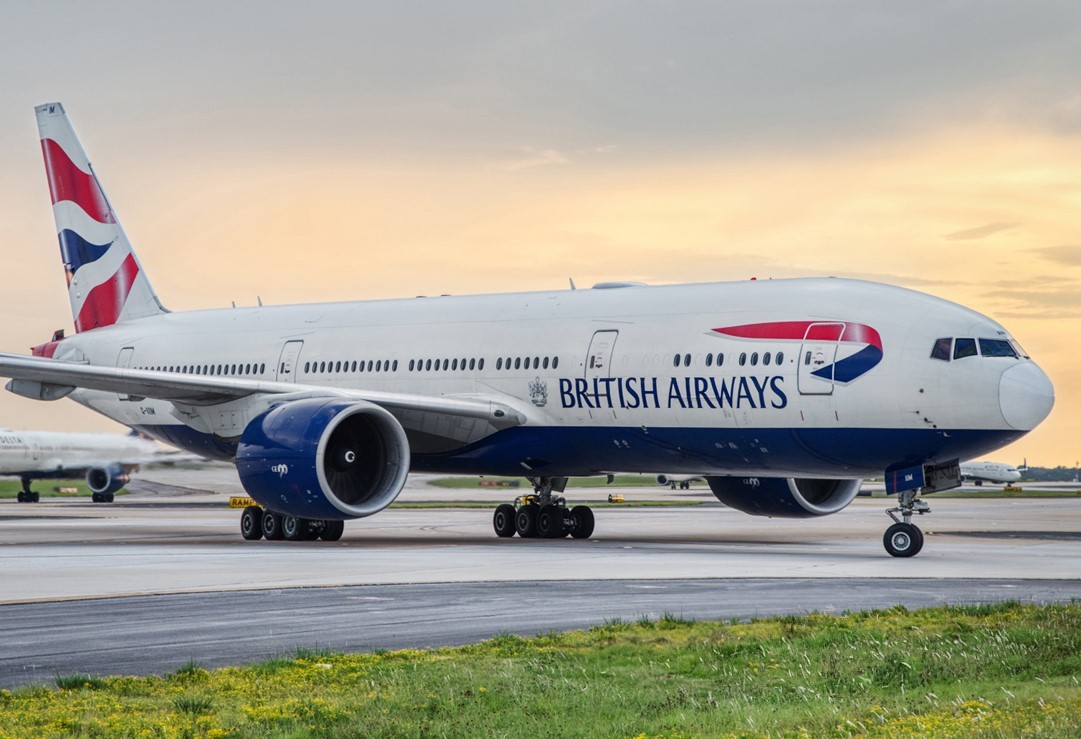
LONDON, Oct. 4, 2026 — British Airways has secured a significant tax victory after the UK Upper Tribunal rejected HM Revenue & Customs’ (HMRC) appeal over hotel accommodation provided to cabin crew during certain back-to-back long-haul flight rotations.
The dispute involved approximately £5.78 million in income tax and National Insurance liabilities that HMRC sought to impose on accommodation provided to British Airways crew at or near London Heathrow Airport.
The Upper Tribunal ruled that the hotel accommodation represented a necessary travel expense connected to the crew members’ duties, rather than a taxable employee benefit. The judgment was issued on September 28, 2026.
Dispute Over Crew Accommodation
The case arose from British Airways’ scheduling of cabin crew on back-to-back transatlantic rotations. Under these arrangements, crew members can complete one long-haul sector, return to Heathrow and take a required rest period before operating another flight.
HMRC argued that the hotel accommodation provided during this period should be considered part of the employees’ taxable earnings.
British Airways, however, maintained that the accommodation was necessary because of operational and aviation safety requirements. The airline argued that crew members needed the rest period to remain legally and operationally fit to perform their subsequent duties.
The First-tier Tribunal previously ruled in favour of British Airways in April 2025, after which HMRC appealed the decision to the Upper Tribunal.
Tribunal Upholds British Airways Position
The Upper Tribunal examined whether the hotel stays represented a personal benefit for employees or an expense necessarily incurred while they were travelling in the performance of their duties.
The judges concluded that, in the circumstances of the case, the accommodation fell into the latter category.
As a result, HMRC's appeal was dismissed and the earlier decision in favour of British Airways was upheld. The ruling means the accommodation covered by the case does not constitute taxable employee earnings.
Significance for Airline Operations
The decision highlights the close relationship between airline crew scheduling, aviation safety regulations and employment taxation.
For long-haul airlines, mandatory rest periods can require crew members to remain away from their normal homes between flight sectors. In such circumstances, hotel accommodation may be an operational necessity rather than a personal benefit.
The ruling is particularly significant for British Airways because it removes the immediate tax and National Insurance exposure associated with the £5.78 million claim.
However, the judgment does not establish a blanket exemption for all employer-provided accommodation. Its application depends on the specific circumstances and operational requirements considered in the case.
The decision could nevertheless provide useful guidance for airlines and other employers whose employees must travel or stay away from home because of regulatory, safety or operational requirements.




Facebook Comments