
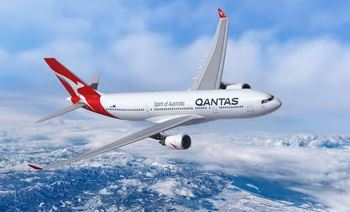
Rome, October 13, 2026 — Australian airline Qantas has cancelled a flight from Rome to Perth after a bedbug problem was reported aboard one of its Boeing 787 Dreamliner aircraft, disrupting travel plans for passengers and highlighting the challenges airlines face in maintaining cabin hygiene.
Bedbugs Reported on Long-Haul Flight
According to reports, passengers travelling on Qantas flight QF5 from Perth to Rome on October 9 complained of insect bites during the approximately 17-hour journey. The problem was reportedly identified in parts of the economy-class cabin.
Some affected passengers experienced itching and skin irritation. The airline reportedly provided antihistamine medication to help relieve their symptoms.
Rome–Perth Flight Cancelled
Following the incident, Qantas removed the affected Boeing 787 aircraft from service for specialised cleaning. As a result, flight QF6 from Rome to Perth, scheduled for October 10, was cancelled.
The aircraft required additional cleaning and maintenance attention before it could return to normal operations.
Passengers affected by the cancellation were reportedly provided with hotel accommodation and arrangements for alternative flights. The disruption added inconvenience to travellers planning to return to Australia from Italy.
Qantas Responds to the Incident
Qantas apologised for the inconvenience caused to passengers. The airline said the aircraft required detailed cleaning after the problem was identified in sections of the economy-class cabin.
The incident highlights the difficulty of eliminating bedbugs from aircraft interiors. These insects can hide in seat fabrics, seams and other small spaces, making them difficult to detect and remove through routine cleaning alone.
Why Bedbugs Are a Challenge for Airlines
Bedbugs can enter aircraft cabins through passengers' clothing, luggage and personal belongings. Once inside, they may hide in seat upholstery and narrow gaps, potentially remaining undetected until passengers report bites or other signs of infestation.
Although bedbugs are not generally known to transmit diseases, their bites can cause itching, redness and skin irritation. Their presence can also damage passenger confidence and lead to costly operational disruptions.
For airlines operating long-haul services, taking an aircraft out of service for specialised treatment can affect flight schedules, aircraft availability and passenger connections.
Implications for Airline Operations
The Qantas incident demonstrates that cabin hygiene involves more than routine cleaning between flights. Airlines must also respond quickly to passenger complaints and arrange appropriate pest-control measures when an infestation is suspected.
Removing an aircraft from service may create short-term disruption, but thorough inspection and treatment are important steps before the aircraft returns to passenger operations.
Conclusion
The cancellation of Qantas flight QF6 between Rome and Perth illustrates how an unexpected cabin-hygiene issue can disrupt international air travel. The incident also underscores the importance of effective pest-control procedures, prompt passenger assistance and comprehensive aircraft cleaning to maintain passenger comfort and confidence.




Facebook Comments