
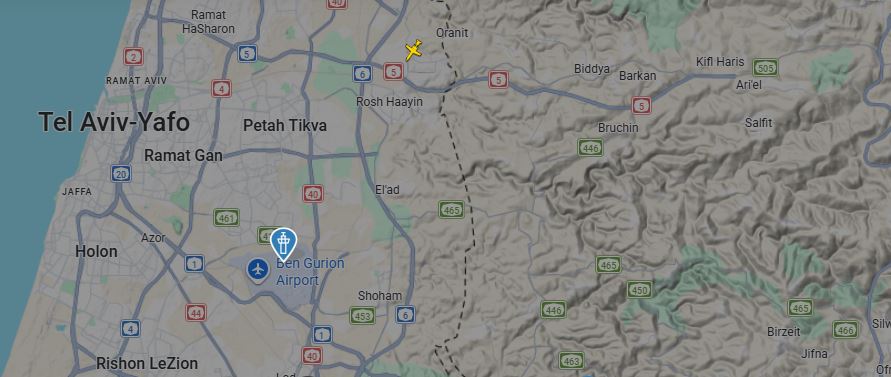
TEL AVIV, April 8, 2026 — Israel’s primary aviation hub, Ben Gurion International Airport (TLV), is initiating a phased return to normal operations following the announcement of a two-week ceasefire in the conflict with Iran.
After weeks of severe restrictions and a partial closure that saw international airlines suspend service, the Ministry of Transportation and the Israel Airports Authority (IAA) are coordinating a significant increase in flight capacity.
Phased Reopening Details
The ramp-up is being managed in stages to balance passenger demand with ongoing security considerations. Key changes expected to take effect immediately or by early next week include:
-
Increased Passenger Quotas: The cap on departing passengers is expected to rise from the current limit of 100 per flight to 120 for medium-haul European routes and 150 for long-haul flights.
-
Hourly Flight Slots: The restrictive "one takeoff/landing per hour" rule is being reviewed for expansion to accommodate higher frequencies.
-
Infrastructure Reactivation: Airport staff have begun cleaning operational zones and reactivating facilities that were mothballed during the height of the regional escalation.
Airline Responses
While Israeli carriers have maintained limited service throughout the crisis, they are now moving to restore their full schedules:
-
Arkia: The airline announced it is preparing for a gradual expansion, with a target to resume its regular flight schedule by May 3, 2026. Destinations currently served include Athens, Rome, London, Amsterdam, and New York.
-
El Al & Israir: Both carriers are finalizing plans to increase flight frequency as Home Front Command guidelines ease.
-
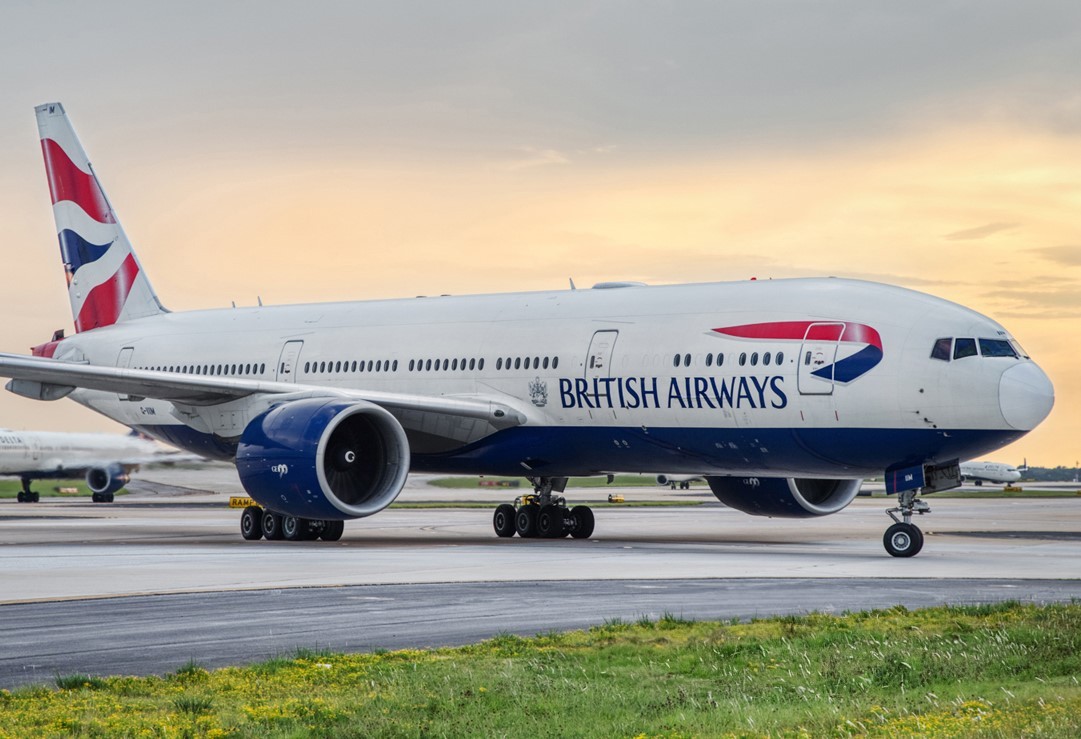
International Carriers: The return of foreign airlines (such as Lufthansa Group and British Airways) remains cautious. Most international flights were officially suspended through April 16, and carriers are awaiting further security assessments before committing to a return date.
Security and Challenges
Despite the optimism, officials stress that the return to "business as usual" is not yet complete.
"We are working in full coordination with regulatory bodies, but the existing outline is still affected by the security situation," noted Arkia CEO Oz Berlowitz.
Two primary factors are slowing a total reopening:
-
Home Front Command Guidelines: Normal operations can only fully resume once the missile threat level is officially downgraded.
-
Military Presence: A significant number of American military and refueling aircraft remain stationed at Ben Gurion, occupying critical ramp space and affecting civilian throughput.
Passengers are advised to continue checking with their respective airlines for the latest flight status, as the situation remains fluid and subject to the stability of the current ceasefire.




Facebook Comments