
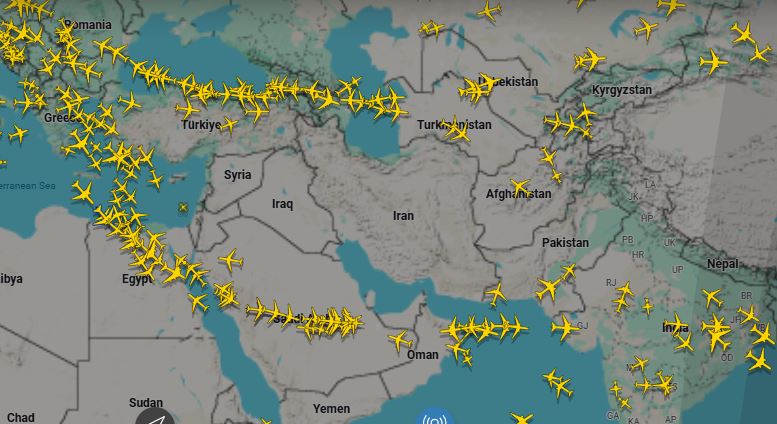
The Iraqi Civil Aviation Authority (ICAA) has officially announced the comprehensive reopening of Iraq’s airspace and the full resumption of commercial operations at all national airports, effective April 8, 2026. This landmark decision follows a grueling 40-day suspension of air traffic that was necessitated by escalating regional hostilities, which had effectively severed one of the world’s most critical aviation corridors. The reopening is the direct result of a successful diplomatic breakthrough—a two-week ceasefire agreement between the United States and Iran, mediated by Pakistan—which has provided a vital window of stability for civil aviation. Head of the ICAA, Bangen Rekani, emphasized that the decision was preceded by an intensive security reassessment to ensure the safety of both transit flights and ground operations. In a coordinated move reflecting a broader regional easing of tensions, the Syrian Civil Aviation Authority also reopened its airspace and Damascus International Airport today, allowing for a synchronized restoration of flight paths across the Levant.
The restoration of the Iraqi transit corridor carries profound implications for the global aviation industry, specifically regarding operational efficiency and the cost of international travel. For over a month, airlines flying between Europe, the Gulf states, and Asia were forced to navigate lengthy, circuitous detours to avoid the conflict zone, leading to a massive increase in fuel consumption and carbon emissions. By reopening this "shortcut," the ICAA has enabled carriers to drastically reduce flight times and operational overhead, which may eventually translate to lower ticket prices for passengers. Furthermore, the resumption of flights ends a period of relative isolation for the Iraqi people and the diplomatic community, restoring essential links for trade, humanitarian aid, and personal travel. This shift is particularly significant for Baghdad and Erbil, which serve as central nodes for regional connectivity and have seen a surge in demand for outgoing travel since the announcement was made public earlier this morning.
However, officials remain cautiously optimistic; because the current ceasefire is slated for an initial duration of only 14 days, the ICAA and international regulatory bodies are maintaining a state of high readiness. Airlines are currently in the process of rerouting their fleets and updating schedules, but they continue to monitor the political landscape daily to ensure that the peace holds. Security protocols at major terminals have been reinforced rather than relaxed, with authorities seeking to prevent any incidents that could jeopardize the fragile regional stability. As the first commercial flights began touching down in Baghdad this afternoon, travelers were met with a mix of relief and vigilance. Passengers are advised to remain in close contact with their carriers, as the transition back to a full, pre-conflict flight schedule will take several days to implement across the complex network of Middle Eastern aviation, and any sudden change in the geopolitical climate could lead to immediate further restrictions.


Facebook Comments