
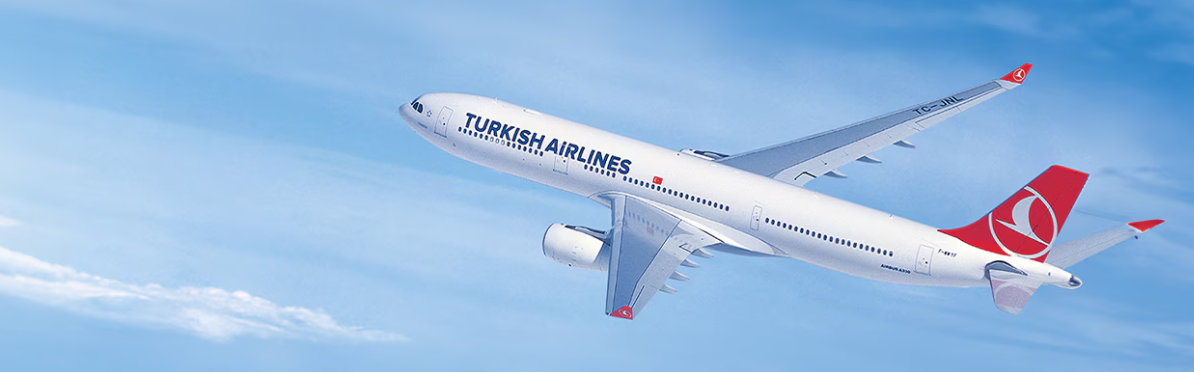
A Turkish Airlines Boeing 777-300ER suffered significant structural damage on Thursday evening, June 11, 2026, after colliding with a ground radar antenna mast while taxiing at Antalya International Airport (AYT). Flight TK2430 had completed a routine, one-hour domestic flight from Istanbul (IST) and landed smoothly around 8:00 PM local time. However, according to the Ministry of Transport, the aircraft mistakenly entered a restricted taxiway lane that was not cleared for a widebody aircraft of its size. The Boeing 777’s massive right wing slammed into the radar tower, causing the mast to collapse directly onto the aircraft and violently pierce the outer skin of the fuselage into the passenger cabin.
Inside the cabin, the sudden breach triggered the automatic deployment of emergency oxygen masks, while social media footage highlighted the severity of the impact with torn sidewalls and dislodged overhead storage bins. Emergency personnel rushed to the scene to assist in evacuating all 267 passengers and crew from the twinjet. Turkish Airlines officials confirmed that while the vast majority of passengers escaped unscathed, at least one passenger sustained minor injuries and is currently in stable condition, though it remains unclear if the injury occurred during the initial impact or the evacuation.
The aircraft involved in the incident is TC-LKD, a 17-year-old airframe with a unique recent history. The jet had just been returned to Turkish Airlines in March 2026 after a three-year lease to India’s IndiGo Airlines, and because it had not yet been repainted into standard corporate colors, it was actively flying in a modified, mostly blue-and-white IndiGo livery with the brand titles removed. Yahya Üstün, Turkish Airlines’ Director of Communications, confirmed that a formal investigation has been launched to determine whether the incident resulted from incorrect Air Traffic Control instructions or a pilot navigation error. The aircraft has been towed to a secure hangar, where aviation experts estimate it will require extensive, weeks-long structural repairs to its wing and pressurization seal before it can fly again.


Facebook Comments