
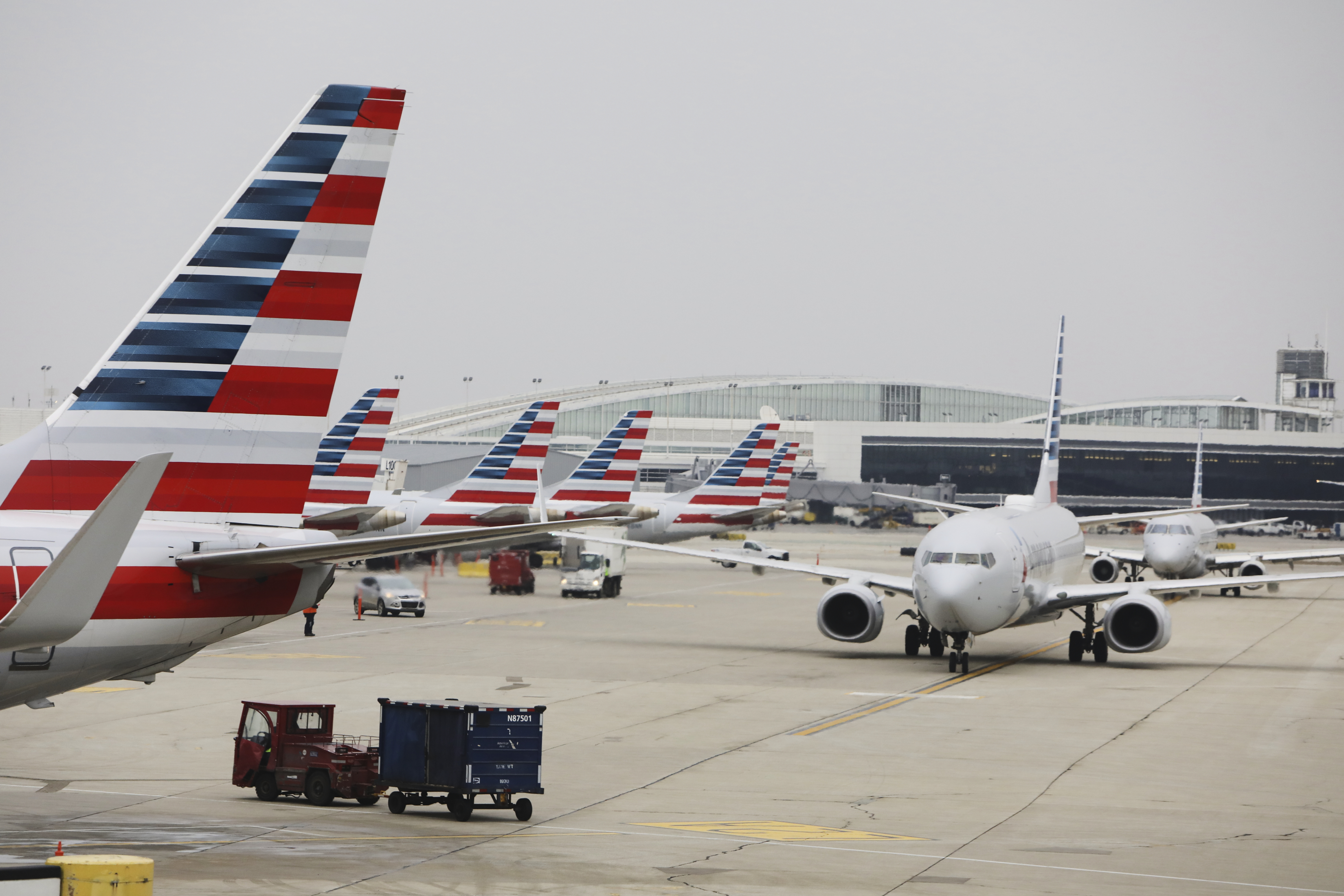
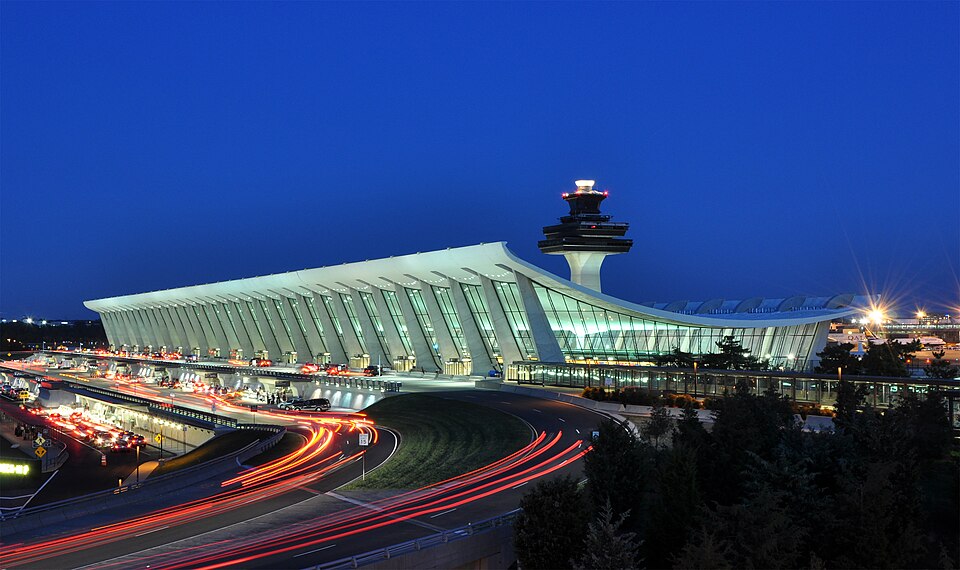
WASHINGTON — American Airlines has drawn significant criticism from travelers after rolling out a new digital-first initiative that replaces traditional, staffed airport customer service desks with QR-code-based assistance. The operational change, which has been spotted at major hubs including Washington Reagan National Airport (DCA), directs passengers seeking help with flight disruptions to scan codes and use digital support channels rather than speaking with live, face-to-face representatives.
The initiative is part of a broader network modernization push designed to transition traveler troubleshooting to automated self-service tools. The carrier recently introduced an expanded "actionable disruption platform" integrated into its mobile app, intended to automatically push flight rebooking options, bag tracking, and digital vouchers for meals and hotels directly to passengers' phones. Chief Customer Officer Heather Garboden previously defended the tech upgrades, noting they offer travelers "greater transparency and more control."
However, the strategy has sparked intense frustration among travelers, particularly during widespread flight delays and cancellations. Critics and passengers have taken to social media to vocalize their grievances, noting that scanning a digital code is a poor substitute for real human interaction during high-stress travel situations. Travelers have reported overwhelmed digital app bottlenecks, long phone wait times, and severe difficulties navigating the app.
Industry analysts point out that while modernizing via automation allows airlines to heavily slash airport overhead costs and handle routine check-ins seamlessly, physical human support remains absolutely vital during severe weather systems or complicated irregular operations. Opponents also emphasize that the complete removal of physical counters creates a massive accessibility barrier for elderly flyers, passengers traveling without smart devices, or individuals requiring personalized, immediate itinerary adjustments.
For now, the airline maintains that moving everyday transactions to digital tools frees up active gate agents to deal with the most complex customer service cases. Nevertheless, the ongoing backlash spotlights a massive friction point across the broader aviation industry: the challenge of maximizing corporate operational efficiency while preserving the critical human touch that passengers expect when their travel plans fall apart.





Facebook Comments