
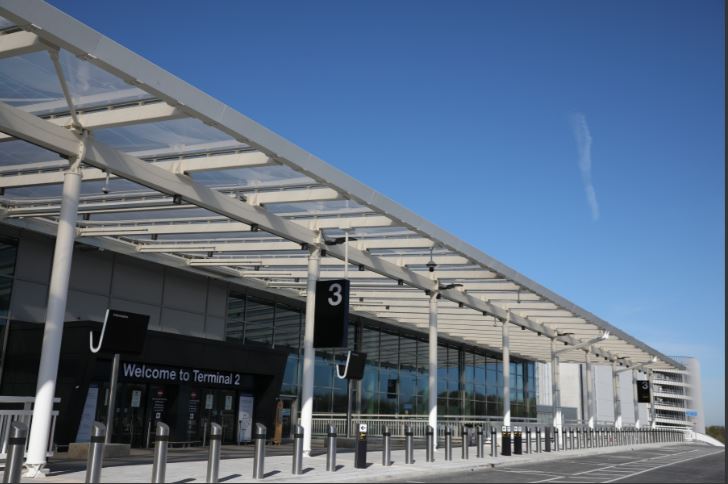
"We immediately contained the risk and have been working with specialist advisors and taking appropriate steps to protect our customers and systems," MAG said in an official statement. "At no point has passenger safety or aviation security been compromised."
Manchester Airports Group (MAG), the operator overseeing Manchester Airport, London Stansted Airport, and East Midlands Airport, has confirmed that hackers attempted to extort the company following a major cybersecurity incident. Cybercriminals managed to access the personal information of approximately 8.7 million customers through systems linked to parking reservations, airport lounge bookings, fast-track pass purchases, and Wi-Fi registrations. While sensitive personal data—such as customer email addresses, phone numbers, vehicle registration plates, and postcodes—was compromised in the breach, MAG reassured the public that no financial records or banking details were accessed by the attackers.
Following the breach, the perpetrators issued a formal ransom demand for the return and non-disclosure of the stolen data, which MAG firmly refused to pay. The airport group confirmed that the identity of the perpetrators is known and that law enforcement and security authorities have been notified. Despite occurring ahead of the UK August Bank Holiday weekend—one of the busiest travel periods of the year—the incident caused no operational disruptions or flight delays. MAG emphasized that passenger safety, security protocols, and flight operations remained uncompromised throughout the event.
In response, MAG immediately restricted access to affected infrastructure, contained the security breach, and brought in independent cybersecurity experts alongside its internal data protection team to manage system restoration. The group expressed regret over the incident and advised affected travelers to maintain heightened vigilance regarding potential phishing attempts, recommending that customers avoid opening unexpected emails, clicking unknown links, or sharing sensitive personal information via unsolicited messages.








Facebook Comments