
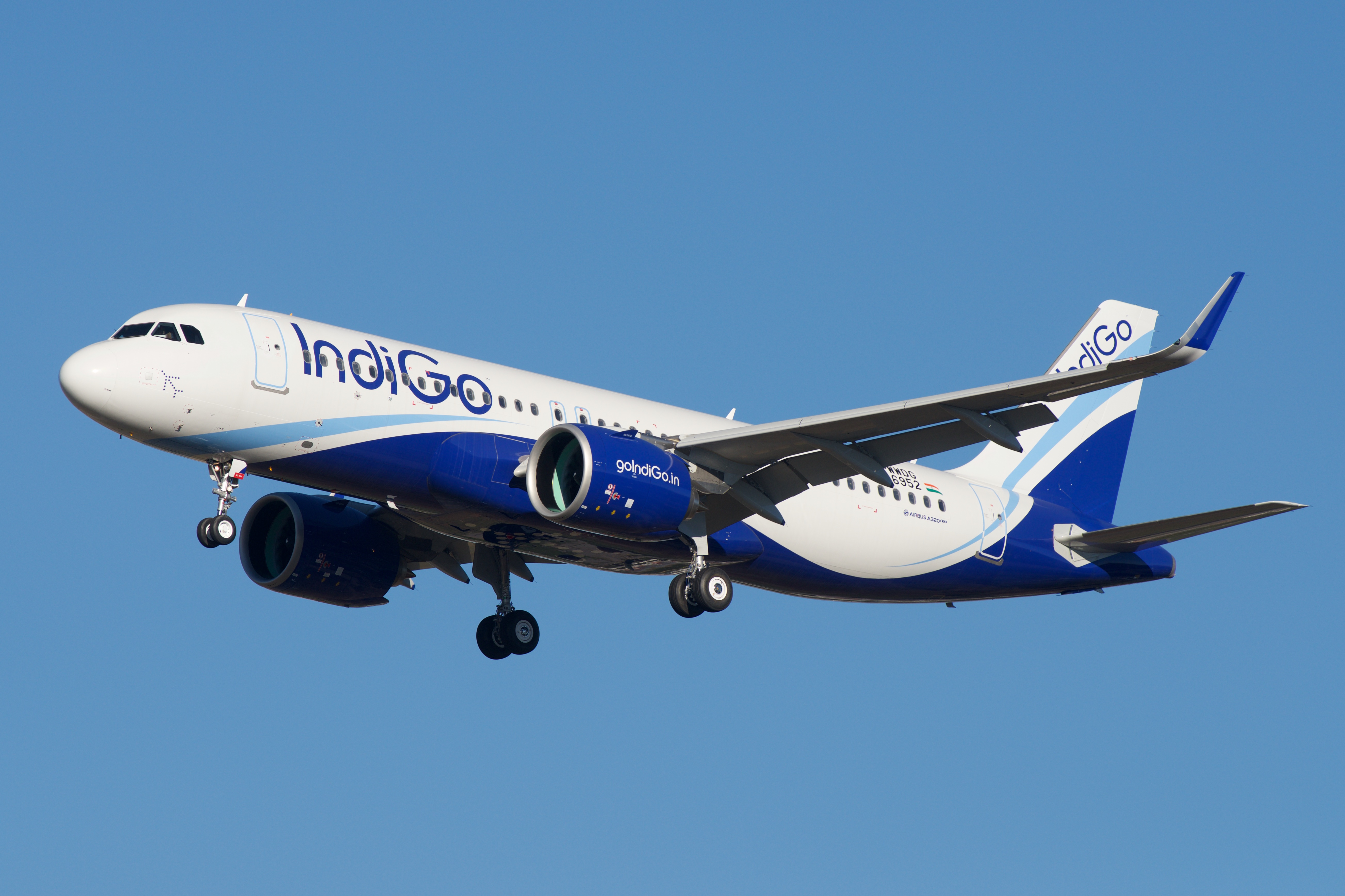
BENGALURU, Sept. 28, 2026 — An IndiGo Airbus A321 operating flight 6E 6542 from Guwahati to Bengaluru suffered a tail strike while attempting to land at Kempegowda International Airport on Sunday, September 27.
The aircraft had initially attempted to land at Bengaluru but the crew conducted a go-around. During the subsequent approach, the aircraft experienced what IndiGo described as an “abnormal runway contact” amid gusty weather conditions. Reports from Indian media identified the contact as a tail strike.
Despite the incident, the aircraft completed its second landing safely. All passengers and crew members were reported safe and disembarked normally. IndiGo said the relevant authorities had been informed and that the aircraft was undergoing maintenance inspections.
DGCA Investigation Underway
India’s Directorate General of Civil Aviation (DGCA) has launched an investigation into the incident. The investigation is expected to examine the aircraft’s flight data, the two landing approaches, weather conditions and other operational factors surrounding the tail contact.
The aircraft has been taken out of service pending maintenance checks and the necessary clearances before returning to commercial operations.
Why Tail Strikes Require Inspection
A tail strike occurs when the rear portion of an aircraft contacts the runway during takeoff or landing. The Airbus A321, as the longest member of the A320 family, has a relatively smaller tail-clearance margin compared with shorter variants of the family.
While a tail strike does not necessarily result in serious damage, engineers must conduct detailed inspections because the contact can potentially affect the aircraft's fuselage structure. The aircraft therefore normally remains out of service until maintenance teams determine that it is safe to return to flight.
The Bengaluru incident occurred in gusty weather, which IndiGo identified as a factor in the abnormal runway contact. However, the precise circumstances leading to the tail strike have not yet been established publicly, and the DGCA investigation will determine the contributing factors


Facebook Comments